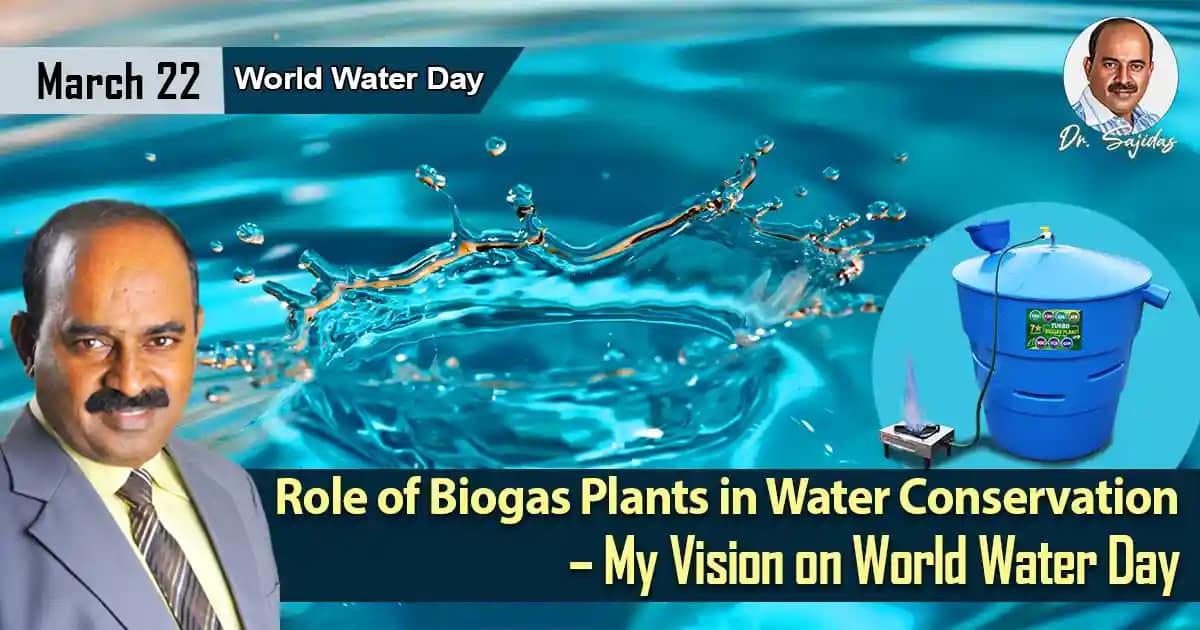
Role of Biogas Plants in Water Conservation –
My Vision on World Water Day
As an international consultant and Managing Director of BIOTECH INDIA, I, Dr. A. Sajidas, have been actively promoting sustainable biogas solutions across the globe. On the occasion of World Water Day, I would like to share my perspective on the critical connection between water conservation, waste management, and renewable energy.
Water is not just a natural resource—it is the foundation of life and sustainable development. However, today we are facing a serious crisis due to water pollution, over-extraction of groundwater, and improper waste management. From my experience working in different countries and sectors, I strongly believe that decentralized solutions like biogas plants and groundwater recharge systems are key to addressing these challenges.
My Understanding of the Water Crisis
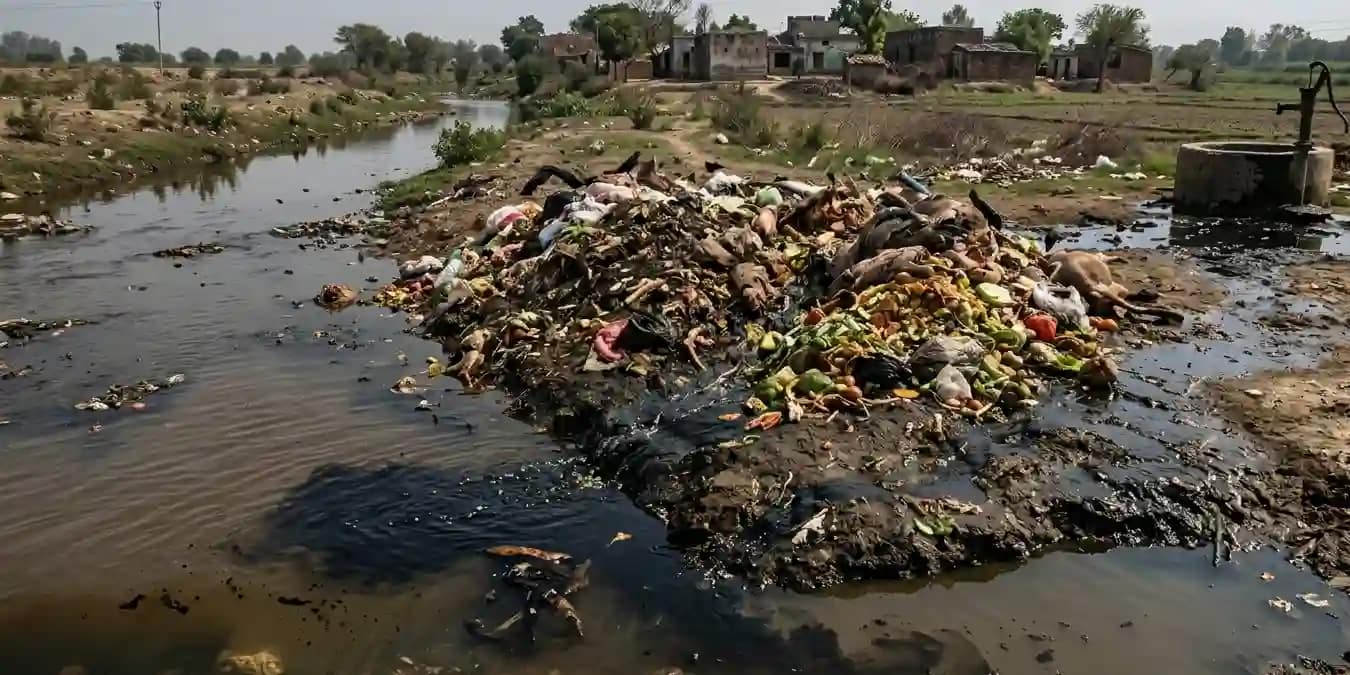
Across the world, I have seen how untreated organic waste is one of the major contributors to water pollution. When kitchen waste, animal waste, and other biodegradable materials are dumped openly, they contaminate surface water and seep into groundwater sources.
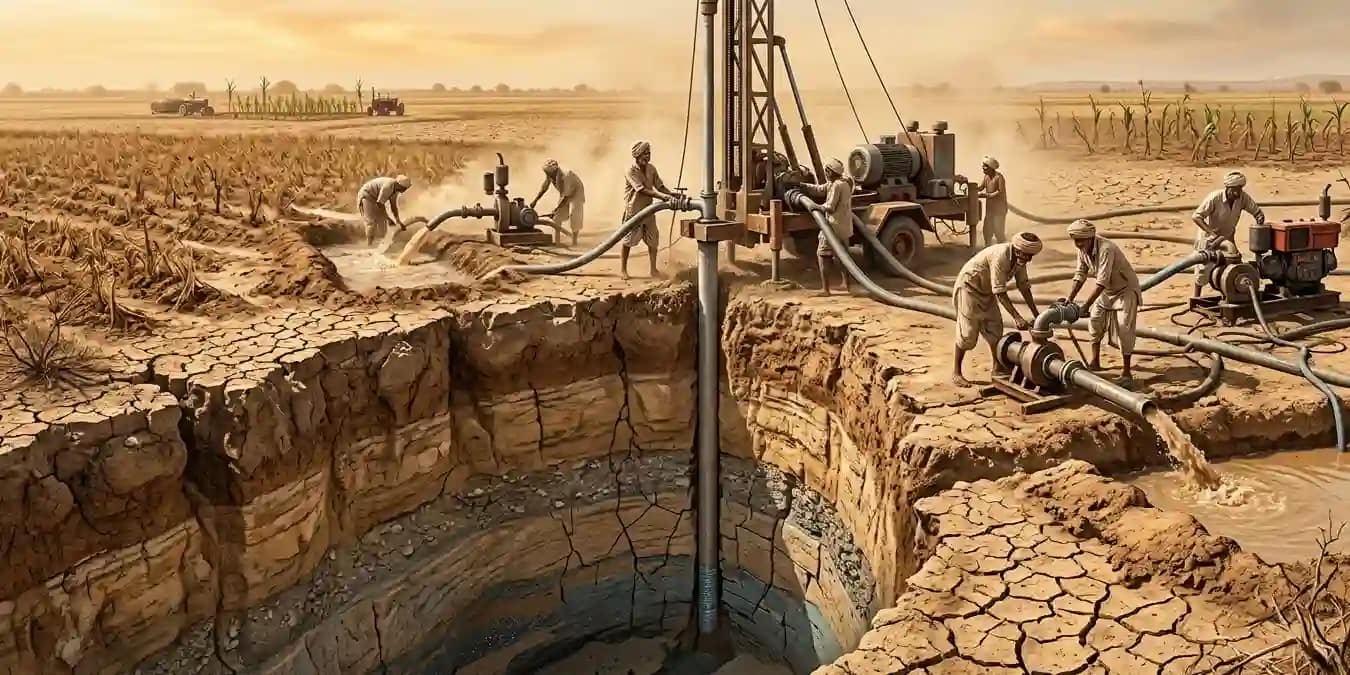
At the same time, excessive withdrawal of groundwater without proper recharge is leading to a dangerous decline in water levels. This imbalance between usage and replenishment is creating a long-term threat to water security.
This is why the mission of the United Nations under the Sustainable Development Goals, especially Goal 6, is highly relevant today. But achieving these goals requires practical and scalable solutions.
My Vision: Biogas Plants as a Water Protection Tool
Most people recognize biogas plants as a source of renewable energy. But in my professional journey, I have always emphasized their equally important role in water conservation.
Hygienic Waste Management
In all my projects, I highlight that biogas plants provide a scientific and hygienic method for treating organic waste. Instead of allowing waste to pollute the environment, it is processed in a closed system.
This prevents contamination of nearby water bodies and groundwater sources. In my view, every biogas plant installed is not just an energy unit—it is also a water protection system.
Prevention of Water Pollution
From my field experience, unmanaged waste is one of the biggest threats to clean water. By converting organic waste into biogas and organic manure, we eliminate the risk of harmful pollutants entering water systems.
This is a simple but powerful step toward protecting our rivers, lakes, and underground water reserves.
Waste to Resource Approach
I always advocate a circular economy approach—where waste is not discarded but transformed into valuable resources. Biogas plants perfectly demonstrate this concept by producing clean energy and nutrient-rich fertilizer.
This reduces the burden on water resources by minimizing pollution and improving soil health, which in turn reduces water consumption in agriculture.
Groundwater Conservation: A Priority in My Work
Groundwater recharge is essential to maintain the balance of our water systems. Without it, we are simply extracting water without giving anything back to nature.
Recharging groundwater ensures long-term availability, improves water quality, and builds resilience against droughts and climate change.
Promotion of Rain Pits
One of the simplest and most effective solutions I recommend is the installation of rainwater recharge pits.
In my awareness programs and projects, I encourage:
- Construction of rain pits around houses
- Installation in institutions like schools, hotels, and offices
- Integration with public rainwater drainage systems
These systems allow rainwater to percolate into the ground, naturally replenishing aquifers. It is a low-cost, high-impact solution that can be implemented anywhere.
Integrating Biogas and Water Conservation
In my approach, sustainability is never about a single solution—it is about integration.
When biogas plants are combined with rainwater harvesting systems, the impact is significantly enhanced:
- Organic waste is treated hygienically
- Water pollution is prevented
- Groundwater is recharged
- Soil health is improved through organic manure
This integrated model creates a self-sustaining ecosystem at the household, institutional, and community level.
My Journey with BIOTECH INDIA
Through BIOTECH INDIA, I have dedicated my efforts to making these solutions accessible and practical for everyone.
Innovation and Technology
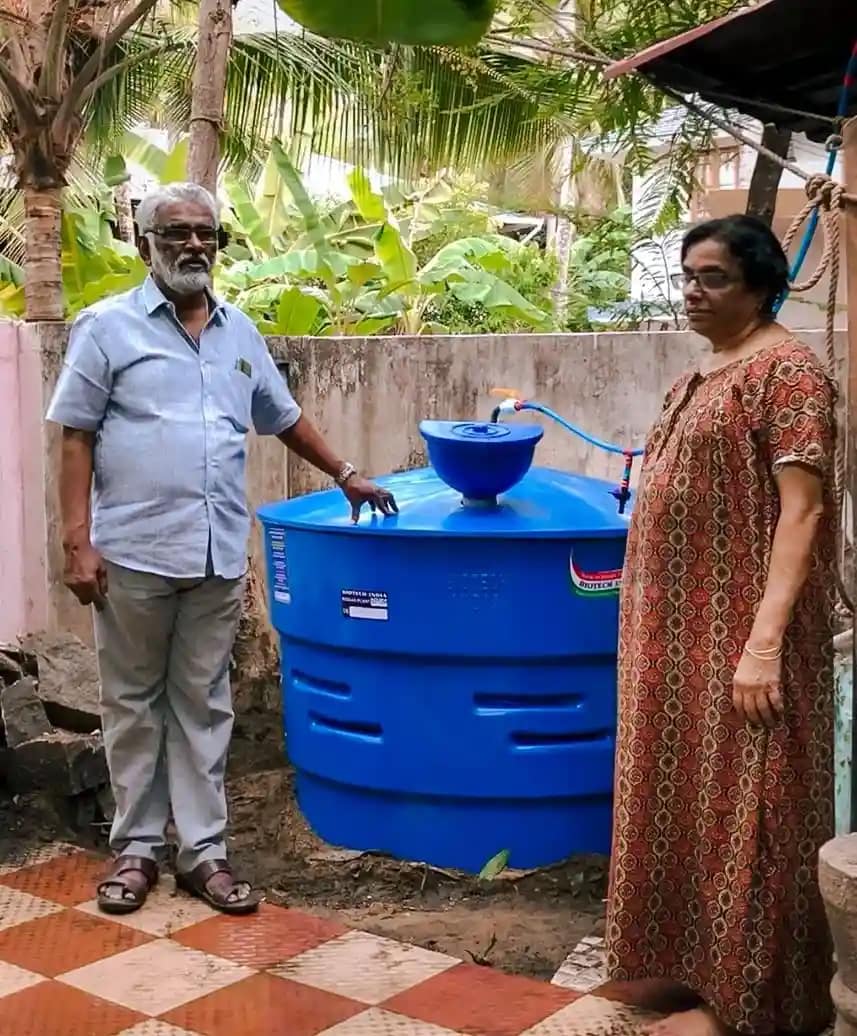
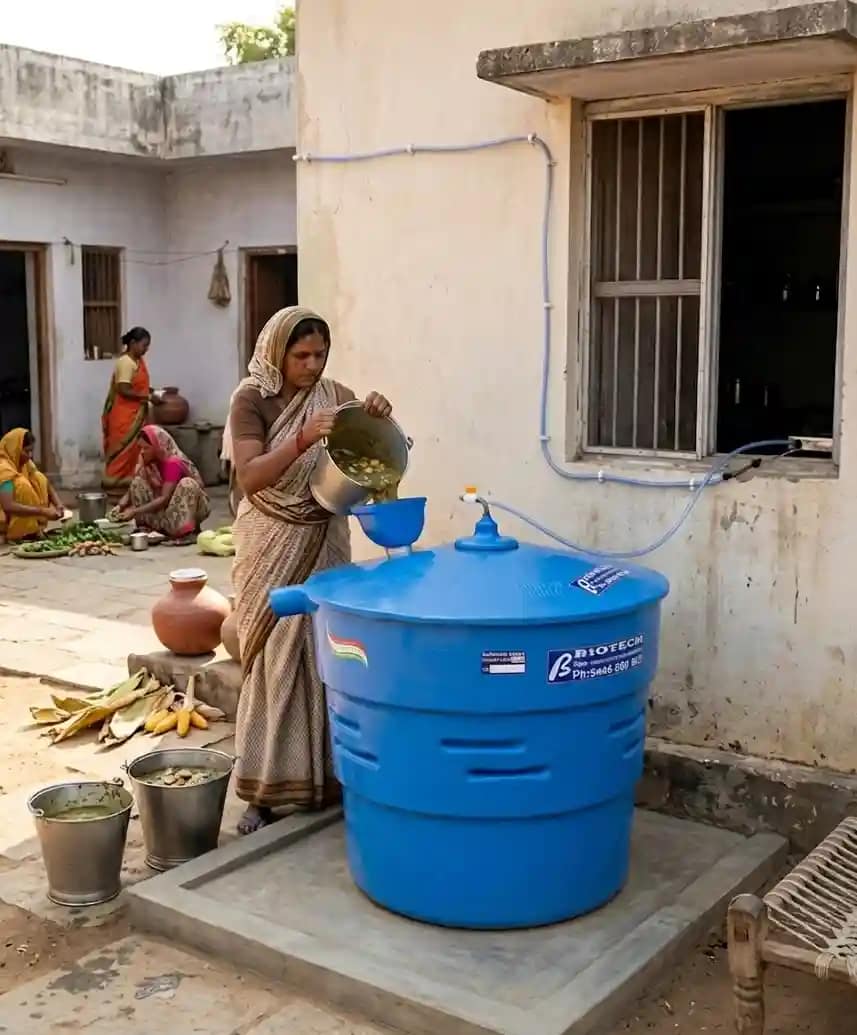
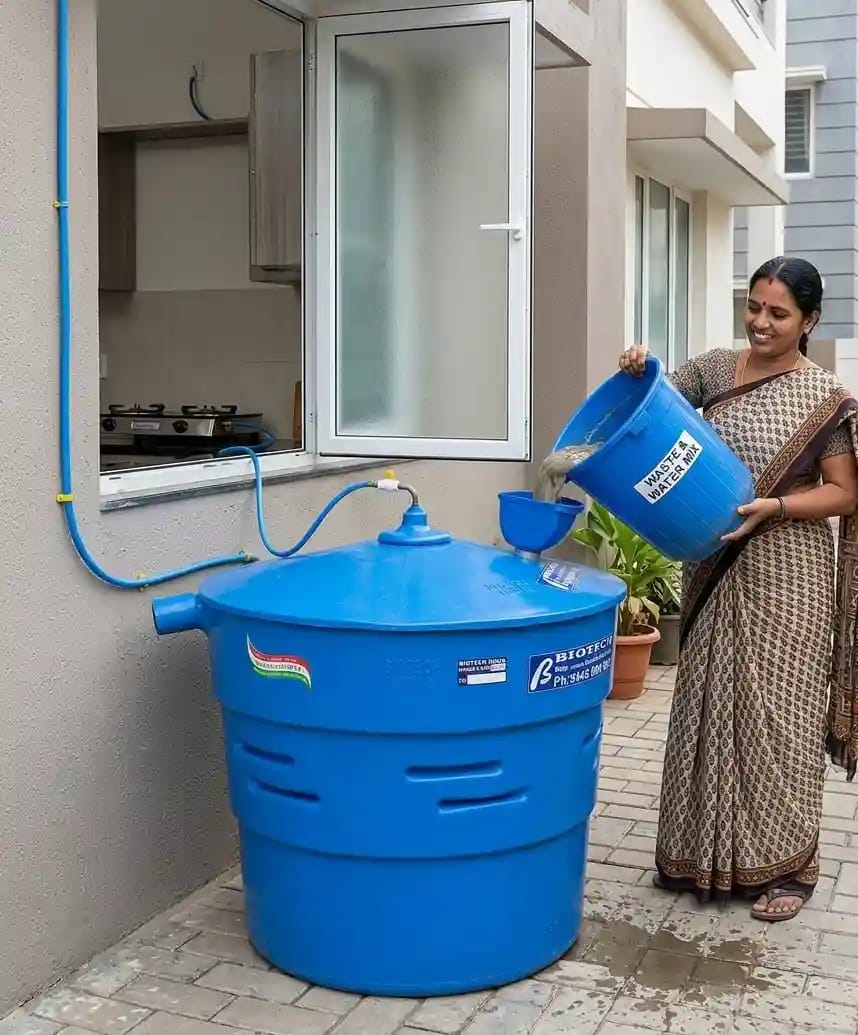
We have developed prefabricated, portable biogas plants that are compact, durable, and easy to install. These systems are designed to suit both urban and rural environments.
My goal has always been to simplify technology so that every household can adopt it.
Decentralized Waste Management
I strongly believe that waste should be managed at the source. Our biogas systems enable homes, schools, hotels, and institutions to process their own organic waste.
This reduces environmental pollution and protects water resources from contamination.
Global Promotion and Awareness
As an international consultant, I have been promoting biogas technology in different parts of the world. Through training programs, technical guidance, and collaborations, I strive to spread awareness about sustainable practices.
Supporting a Circular Economy
At BIOTECH INDIA, we promote the concept of “waste to wealth.” By converting waste into energy and organic fertilizer, we create value while protecting the environment.
My Message on World Water Day
On this World Water Day, I would like to emphasize that water conservation is not just the responsibility of governments or organizations—it is the responsibility of every individual.
From my experience, small actions can create a big impact:
- Install a biogas plant to manage organic waste
- Adopt rainwater harvesting systems
- Avoid wastage of water in daily activities
- Promote sustainable practices in your community
Conclusion: A Sustainable Future is Possible
I firmly believe that the future of sustainability lies in decentralized, practical, and people-friendly solutions. Biogas plants and groundwater recharge systems are not just technologies—they are tools for transformation.
Through my work with BIOTECH INDIA, my vision is clear:
Every home can become a small energy and water conservation unit.
On this World Water Day, let us commit to protecting our most precious resource. By integrating waste management, renewable energy, and water conservation, we can build a cleaner, healthier, and more sustainable world for future generations.