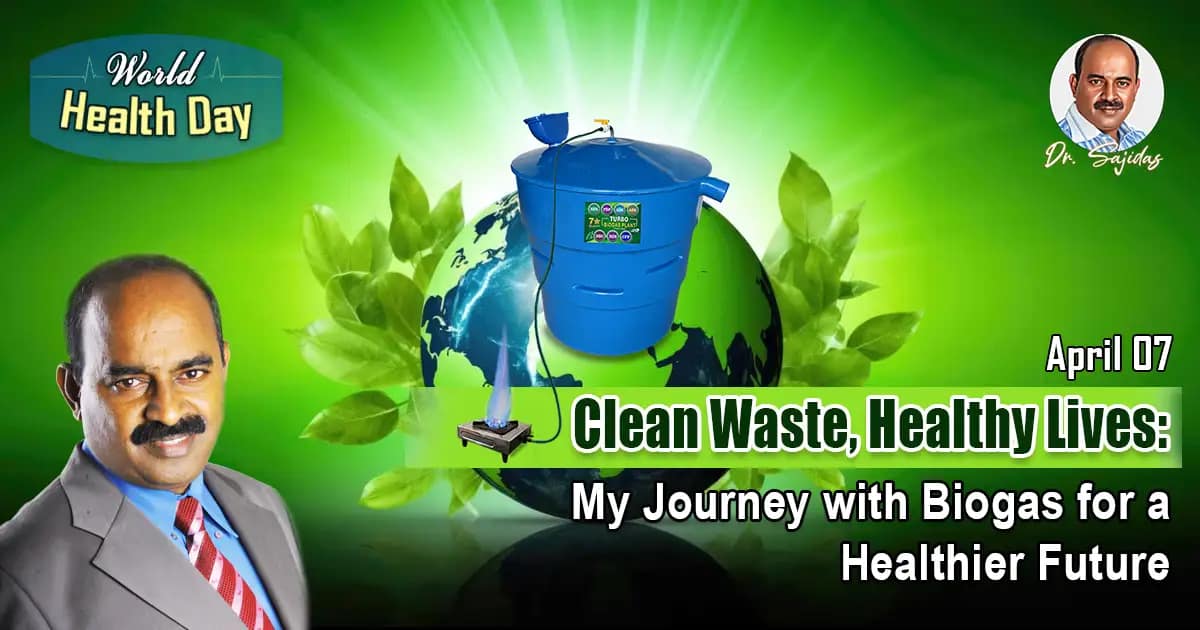
Clean Waste, Healthy Lives: My Journey with Biogas for a Healthier Future
Healthy environment, healthy people—this has been the foundation of my life’s work.
Every year, World Health Day reminds us that health is not something we can achieve through medicine alone. True health begins much earlier—in the air we breathe, the water we drink, and the environment we live in. As an international biogas consultant and someone who has spent more than three decades working in the field of organic waste management, I have witnessed firsthand how closely human health is connected to environmental conditions.
For the past 32 years, through my organization, Biotech India Renewable Energy, I have been committed to promoting sustainable solutions that address both environmental challenges and public health concerns. One of the most effective and practical solutions I have worked with is biogas technology. It is not just a technology—it is a movement toward cleaner living, healthier communities, and a more sustainable future.
Understanding the Problem: Waste and Its Impact on Health
Across many regions, especially in developing countries, improper management of organic waste continues to be a serious concern. Everyday waste such as kitchen leftovers, agricultural residues, and animal dung is often dumped in open spaces. Over time, this waste accumulates, decomposes, and creates an unhealthy environment.
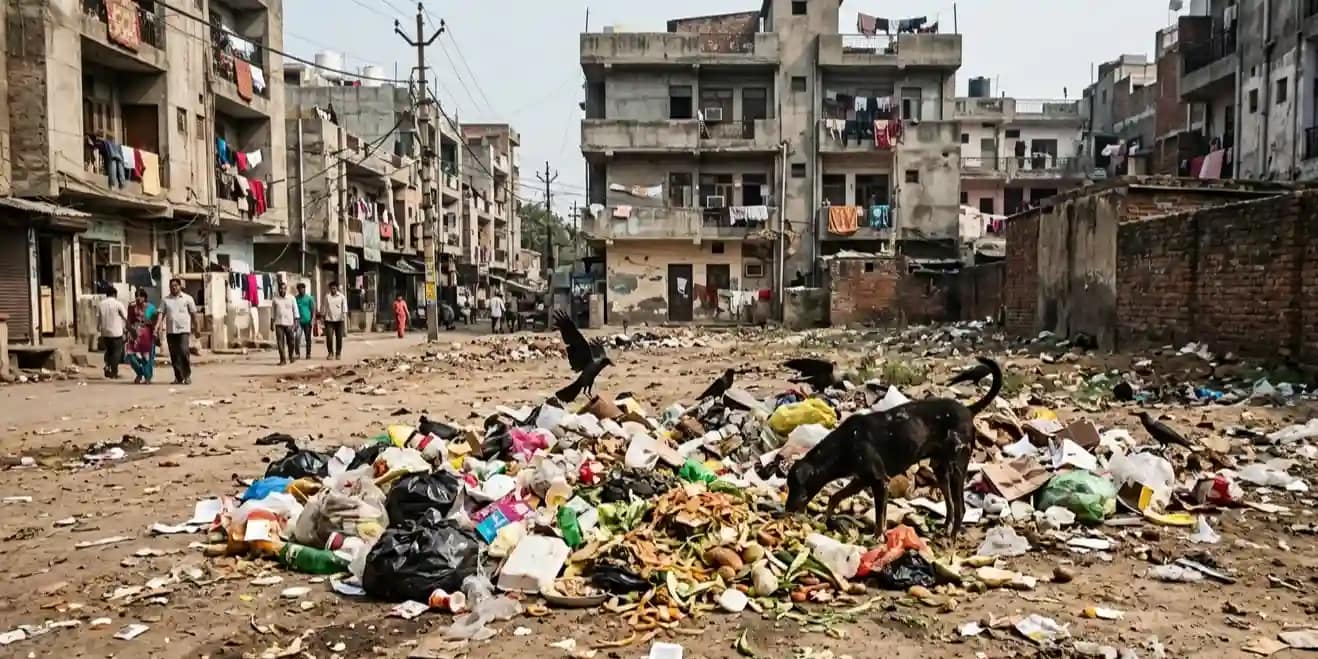
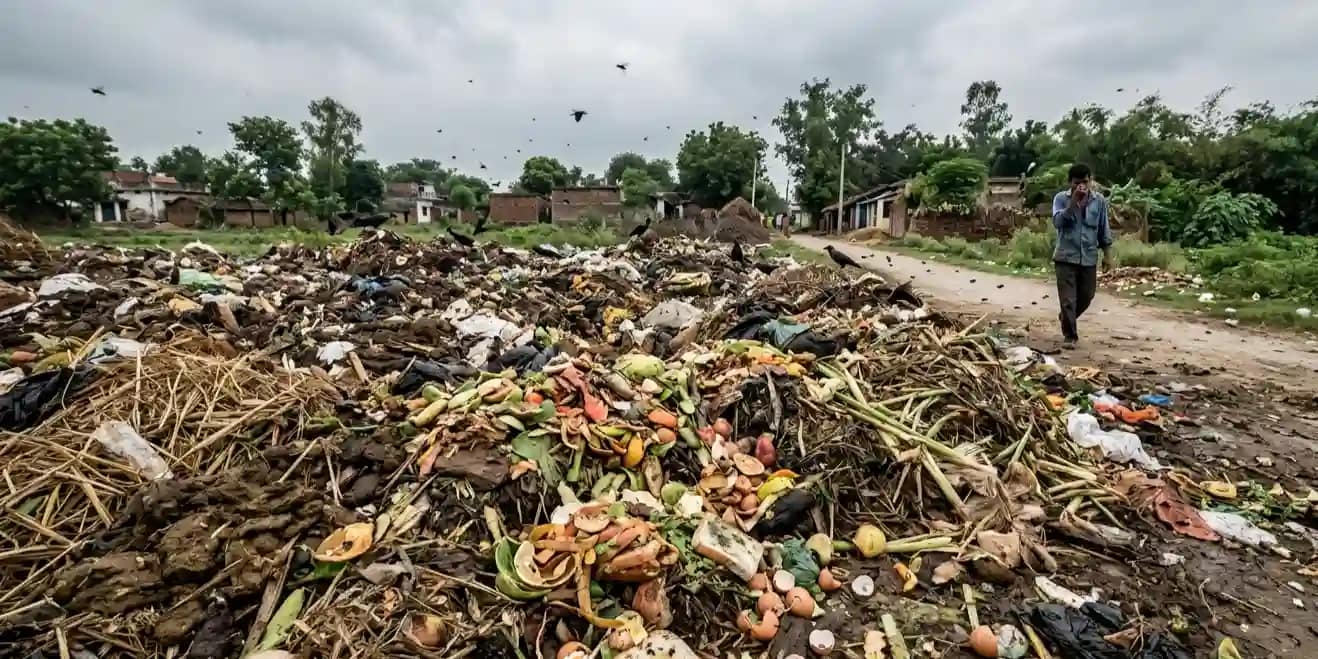
In my experience working with communities, I have seen how unmanaged waste leads to foul odors, attracts flies and mosquitoes, and becomes a breeding ground for harmful pathogens. This directly contributes to the spread of diseases such as diarrhea, cholera, and various infections. It also contaminates soil and water sources, further affecting the health of people and livestock.
Another critical issue is the release of methane from decomposing organic waste. Methane is a powerful greenhouse gas that contributes significantly to climate change. So, when we fail to manage waste properly, we are not only harming our immediate surroundings but also contributing to global environmental challenges.
Biogas: A Simple Solution with Powerful Impact
Over the years, I have strongly believed that the best solutions are those that are simple, practical, and sustainable. Biogas technology fits perfectly into this philosophy. It offers a scientific yet easy-to-adopt method of managing organic waste in a hygienic and productive manner.
Through a process called anaerobic digestion, organic waste is converted into biogas and organic manure. This process takes place in a closed system, ensuring that waste is handled safely without exposing people to harmful microorganisms. What was once a problem—waste—becomes a valuable resource.
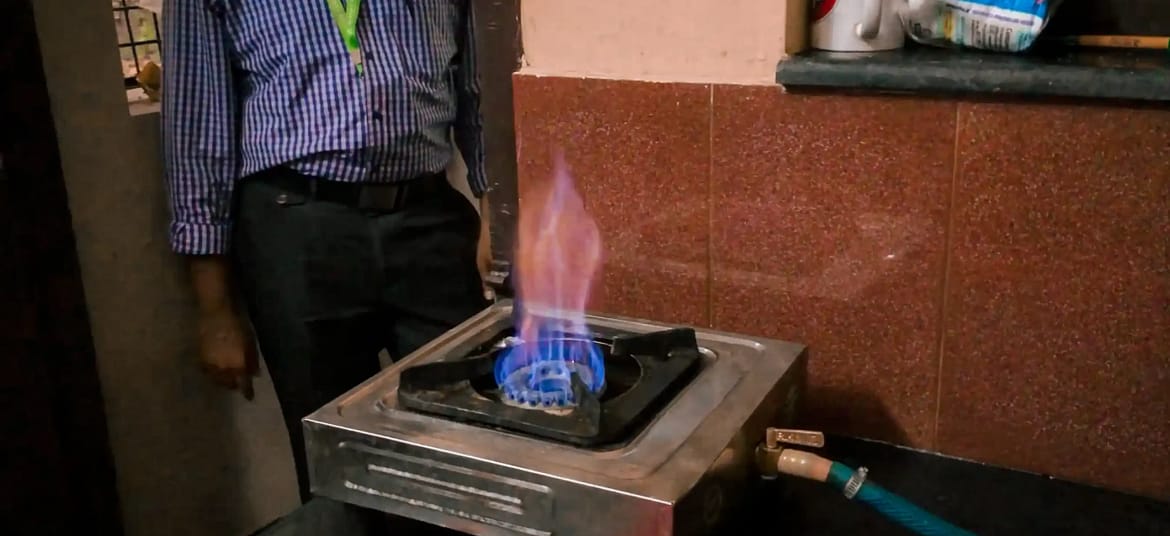
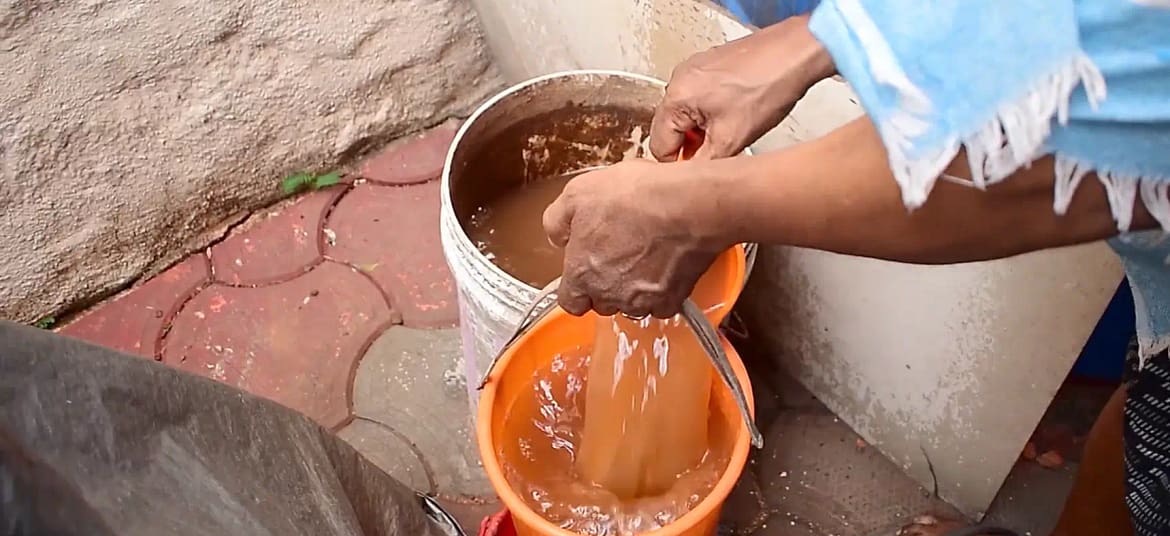
The biogas produced can be used as a clean cooking fuel, while the slurry can be used as a high-quality organic fertilizer. This creates a complete cycle where nothing is wasted. Over the years, I have seen how this transformation—from waste to wealth—has changed the lives of many families and communities.
Improving Sanitation and Public Health
One of the most immediate benefits of biogas plants is the improvement in sanitation. When organic waste is properly collected and processed in a biogas system, there is no accumulation of waste in open areas. This reduces the presence of flies, mosquitoes, and other disease-carrying vectors.
In many of the projects we have implemented, communities have reported cleaner surroundings and a noticeable reduction in health issues. Children can play in safer environments, and families can live without the constant worry of diseases caused by poor sanitation.
From my perspective, this is one of the most powerful aspects of biogas technology—it directly improves the quality of life. It is not just about energy production; it is about creating healthier living conditions for people.
Addressing Indoor Air Pollution
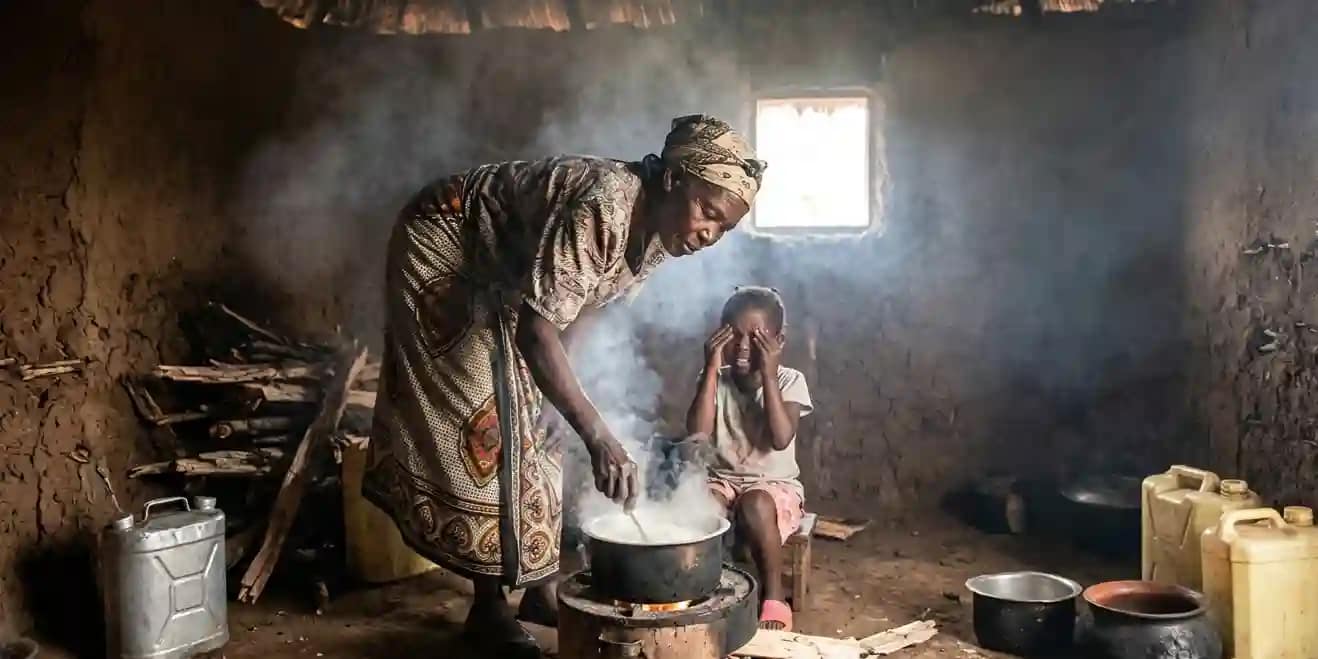
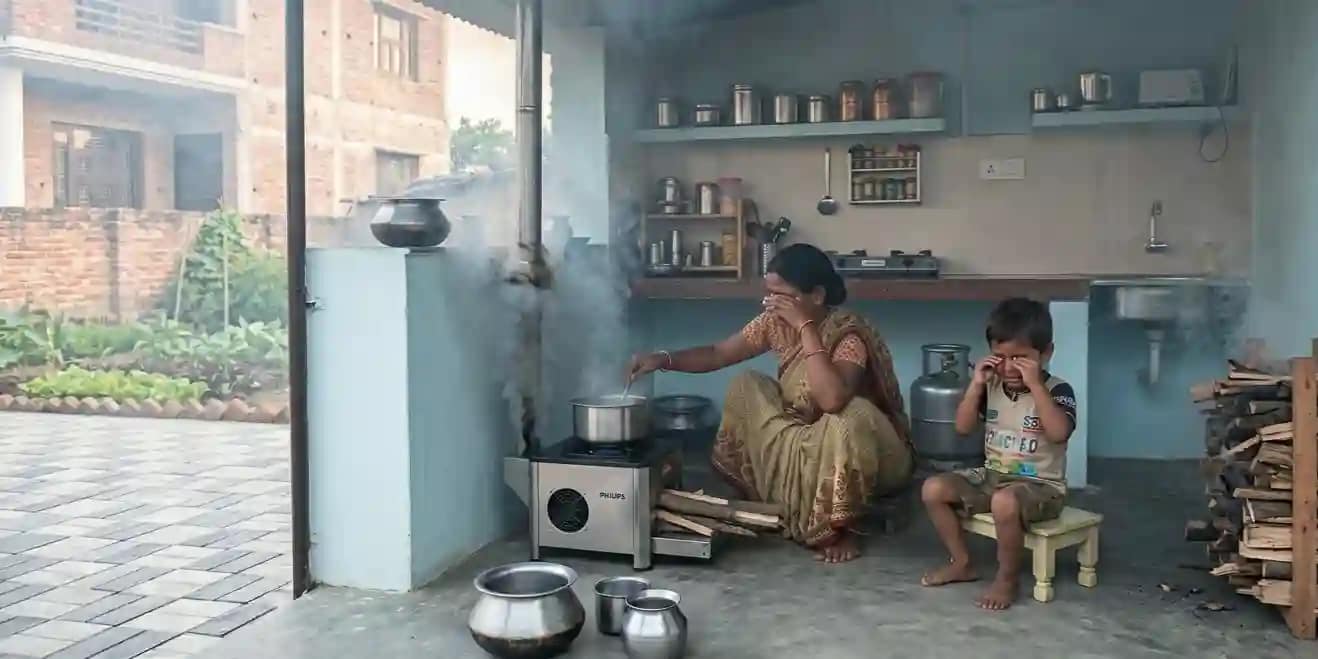
Another area where I have seen a significant impact is in reducing indoor air pollution. In rural areas, the use of firewood for cooking is still very common. While it may seem like a traditional and accessible option, it comes with serious health risks.
The smoke produced from burning firewood contains harmful pollutants that can cause respiratory problems, eye irritation, and long-term health complications. Women and children are the most affected, as they spend more time near cooking areas.
By introducing biogas as an alternative cooking fuel, we have been able to eliminate smoke from kitchens. Cooking with biogas is clean, efficient, and safe. Families immediately notice the difference—a smokeless kitchen, better breathing conditions, and improved overall comfort.
This transition from firewood to biogas is not just a change in fuel—it is a transformation in lifestyle and health.
Environmental Protection and Sustainability
My work in biogas has always been driven by the belief that environmental protection and human health go hand in hand. Biogas plants contribute significantly to reducing environmental pollution.
By preventing the open decomposition of organic waste, biogas systems reduce methane emissions. By replacing firewood, they help conserve forests and reduce deforestation. These are critical steps in addressing climate change and protecting natural resources.
The organic manure produced from biogas plants is another important benefit. It improves soil fertility without the harmful effects of chemical fertilizers. Farmers who use this manure often report better crop yields and healthier soil conditions.
This integration of waste management, energy production, and agriculture creates a sustainable ecosystem that supports both the environment and human well-being.
Empowering Communities Through Biogas
One of the most rewarding aspects of my journey has been seeing how biogas technology empowers communities. It provides them with a reliable source of energy, reduces their dependence on external fuels, and helps them manage their waste effectively.
In many rural areas, women spend hours collecting firewood. By introducing biogas, we have been able to reduce this burden significantly. This gives them more time for education, income-generating activities, and family care.
Biogas projects also create local employment opportunities in construction, operation, and maintenance. This contributes to economic development and strengthens community resilience.
Over the years, I have realized that biogas is not just a technical solution—it is a social solution that brings positive change at multiple levels.
The Role of BIOTECH INDIA Renewable Energy
Through Biotech India Renewable Energy, we have been actively working to promote the concept of “Clean Waste, Healthy Lives.” With 32 years of experience in the field, our focus has always been on developing and implementing practical, efficient, and scalable biogas solutions.
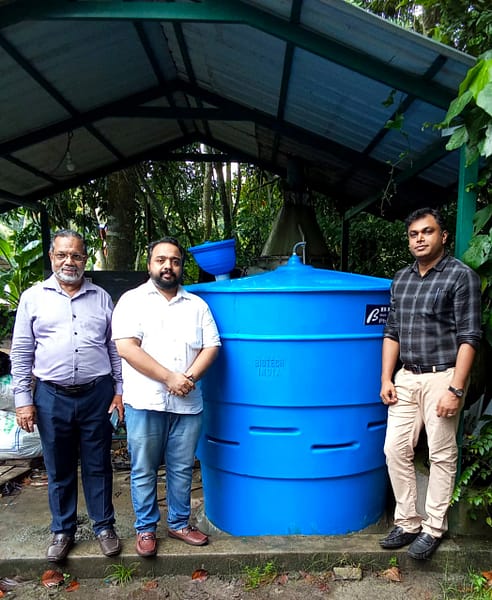
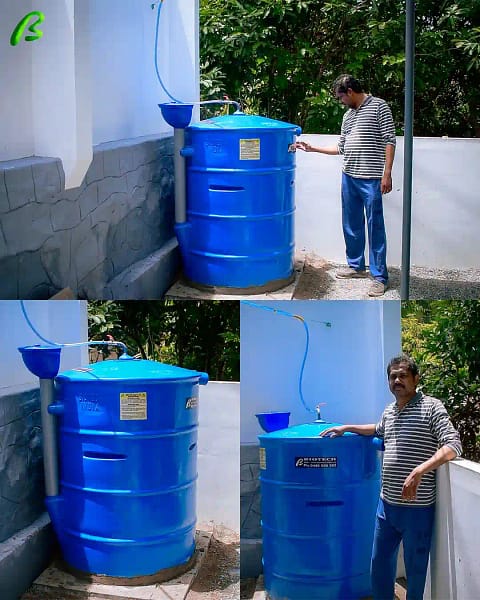
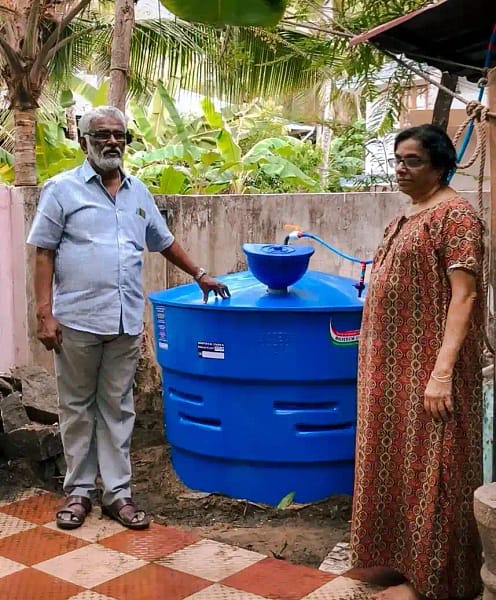
We have designed and installed a wide range of biogas plants, from small household units to large institutional and community systems. Our projects have been implemented in homes, schools, hostels, temples, municipalities, and industries.
One of our key strengths is innovation. We have introduced advanced and portable biogas plants that are suitable for both rural and urban environments. These systems are designed to be user-friendly, durable, and efficient, ensuring long-term performance.
In addition to technology, we place a strong emphasis on awareness and training. We believe that for any solution to be successful, people must understand its value and learn how to use it effectively. That is why we conduct training programs, workshops, and awareness campaigns to educate communities about the benefits of biogas.
Our mission has always been to make biogas accessible to everyone and to demonstrate that sustainable solutions can be both practical and impactful.
A Message for World Health Day
On this World Health Day, I would like to emphasize that health is a shared responsibility. It is not just the duty of healthcare providers—it is the responsibility of each one of us.
By adopting sustainable practices such as biogas technology, we can take a significant step toward improving our health and protecting our environment. Governments, organizations, and individuals must work together to promote and implement such solutions on a larger scale.
From my experience, I can confidently say that even small changes can create a big impact. A single biogas plant can transform a household. A community project can transform an entire village.
Conclusion
After 41 years in this field, one thing is very clear to me—clean environments create healthy lives. Biogas technology offers us a practical and proven way to achieve this.
As we move forward, let us focus on solutions that are sustainable, inclusive, and impactful. Let us take responsibility for our waste, our environment, and our health.
Choose biogas, choose responsibility, and choose a healthier future—for yourself and for generations to come.