
World Energy Day: Biogas for a Sustainable Tomorrow
Introduction
Every year on February 14, the world observes World Energy Day—a day dedicated to reflecting on the growing demand for energy and the urgent need for sustainable solutions. Energy is the lifeblood of modern civilization, powering homes, industries, transportation, and communication. Yet, the way we generate and consume energy has profound consequences for our environment, economy, and society.
As demand rises, the challenge is clear: how do we meet our energy needs without compromising the health of our planet? Among the many renewable options available, biogas technology stands out as a solution that is not only eco‑friendly but also multi‑beneficial. It addresses waste management, climate change, and energy generation simultaneously.
In this blog, I will explore the significance of World Energy Day, the role of biogas plants in the energy sector, and share my personal views and mission as an international biogas consultant and Founder of BIOTECH INDIA.
The Growing Energy Challenge
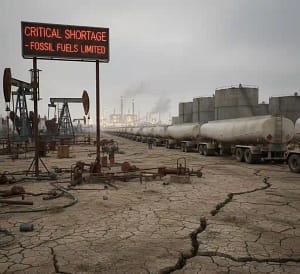
Global energy demand is increasing at an unprecedented pace. Urbanization, industrial growth, and rising living standards all contribute to this surge. Traditional energy sources—coal, oil, and natural gas—have powered progress for decades, but they come at a heavy cost:
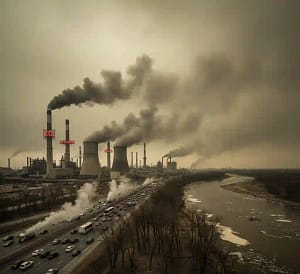

- Environmental degradation through air pollution and greenhouse gas emissions.
- Climate change driven by carbon dioxide and methane release.
- Resource depletion as fossil fuels are finite and unevenly distributed.
- Economic vulnerability due to fluctuating fuel prices and import dependence.
World Energy Day is a reminder that the world must shift toward renewable, clean, and decentralized energy systems.
Among the portfolio of clean energy technologies, biogas represents a unique and strategic solution, especially for regions where organic waste and agricultural residues are abundant.
Why Biogas Matters
Biogas is produced through the anaerobic digestion of organic waste—kitchen scraps, agricultural residues, livestock manure, and other biodegradable materials. This simple yet powerful process yields methane‑rich gas that can be used for cooking, heating, electricity generation, and even as vehicle fuel.
The benefits of biogas are multi‑dimensional:
- Hygienic waste disposal: Organic waste is processed in a controlled environment, reducing pollution and improving sanitation.
- Renewable energy generation: Biogas provides a clean, reliable source of energy that reduces dependence on fossil fuels.
- Methane emission prevention: Instead of escaping into the atmosphere, methane is captured and utilized, mitigating climate change.
- Organic fertilizer production: The slurry left after digestion enriches soil health, supporting sustainable agriculture.
This combination of energy, waste management, and climate protection makes biogas a cornerstone of sustainable development.
Biogas in the Energy Sector
While solar and wind often dominate conversations about renewable energy, biogas offers unique advantages:
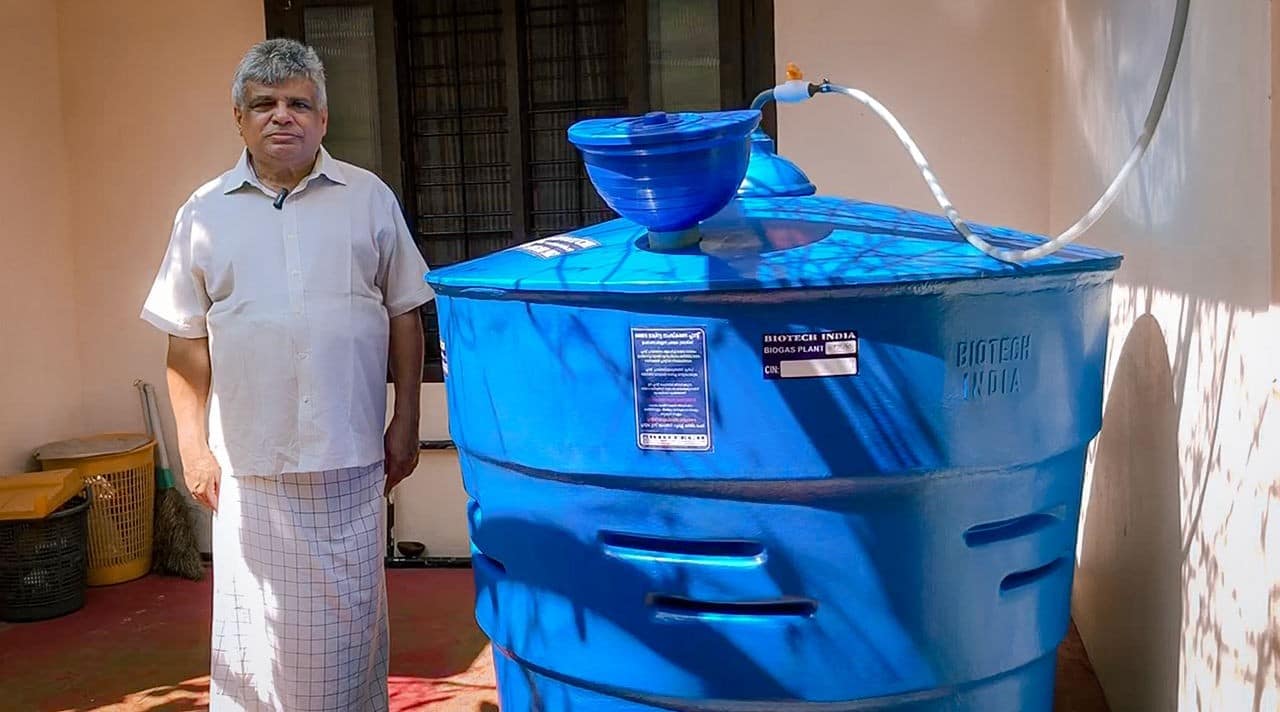
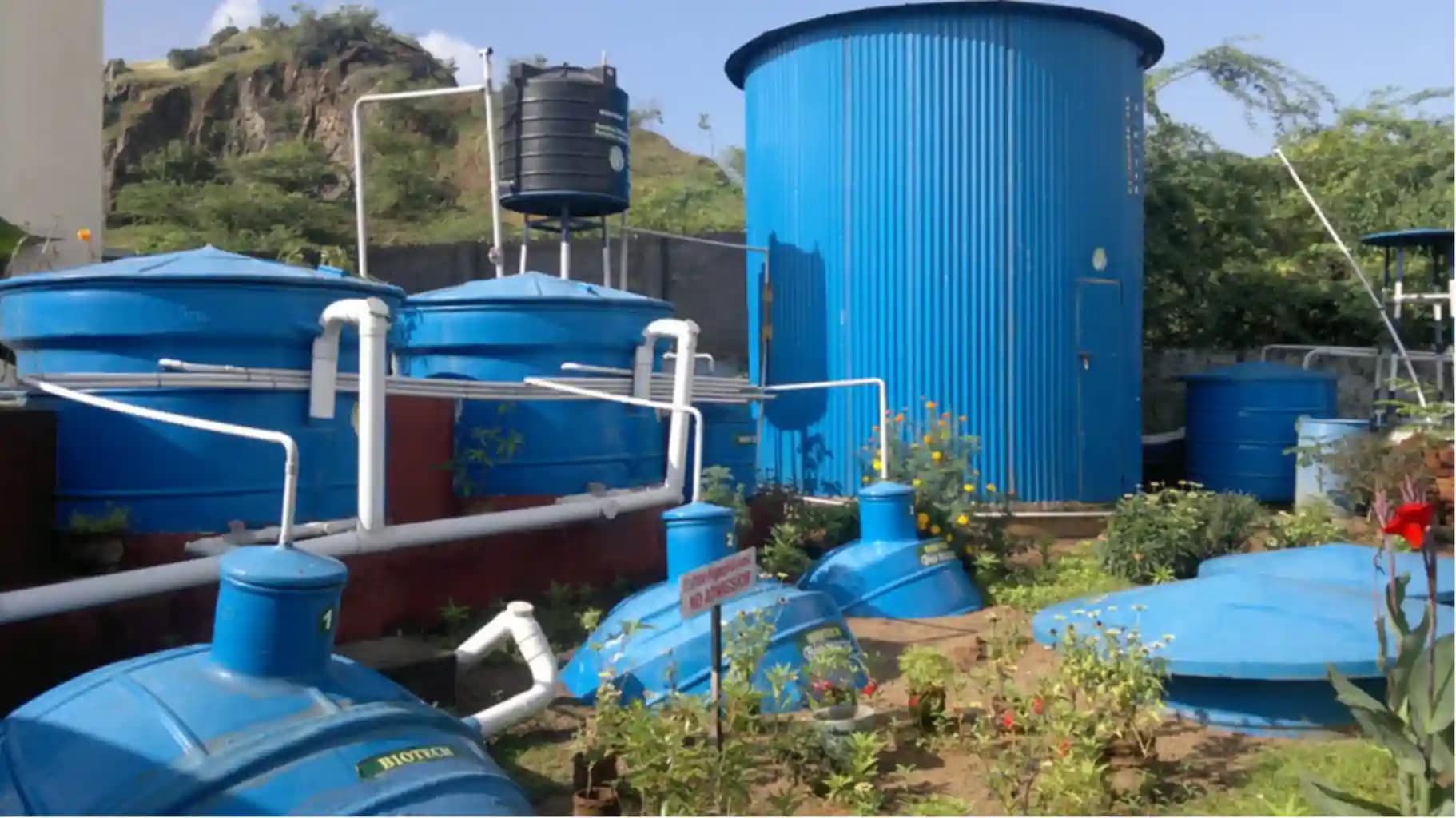
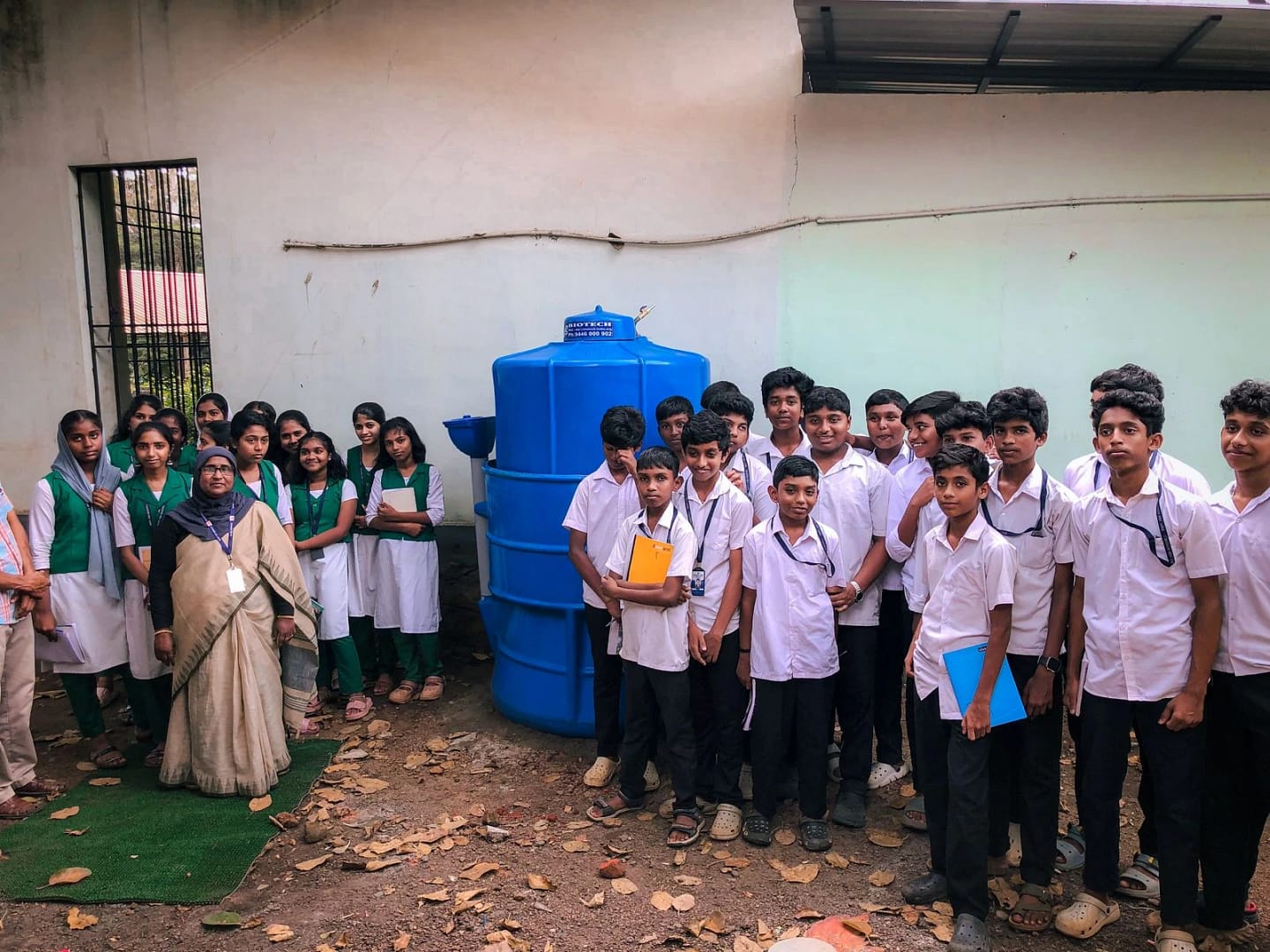
In urban areas, family‑size biogas plants help households manage kitchen waste while reducing reliance on LPG or electricity. In rural areas, institutional plants serve schools, hospitals, and community centers, providing reliable energy while managing agricultural residues.
My Mission and Views
As the Founder and Managing Director of BIOTECH INDIA, and as an International Biogas Consultant, I have dedicated my career to promoting biogas technology worldwide. My mission is rooted in the belief that sustainability must be inclusive, practical, and community‑driven.
I have seen firsthand how biogas transforms lives:
- Families enjoy cleaner surroundings and reduced energy costs.
- Institutions gain reliable energy and improved waste management.
- Communities contribute to climate action and sustainable development goals (SDGs).
For me, biogas is not just about energy—it is about empowerment, responsibility, and hope. It is a technology that democratizes access to clean energy, fosters community resilience, and aligns perfectly with the global agenda for climate action.
Here are practical steps we can take:
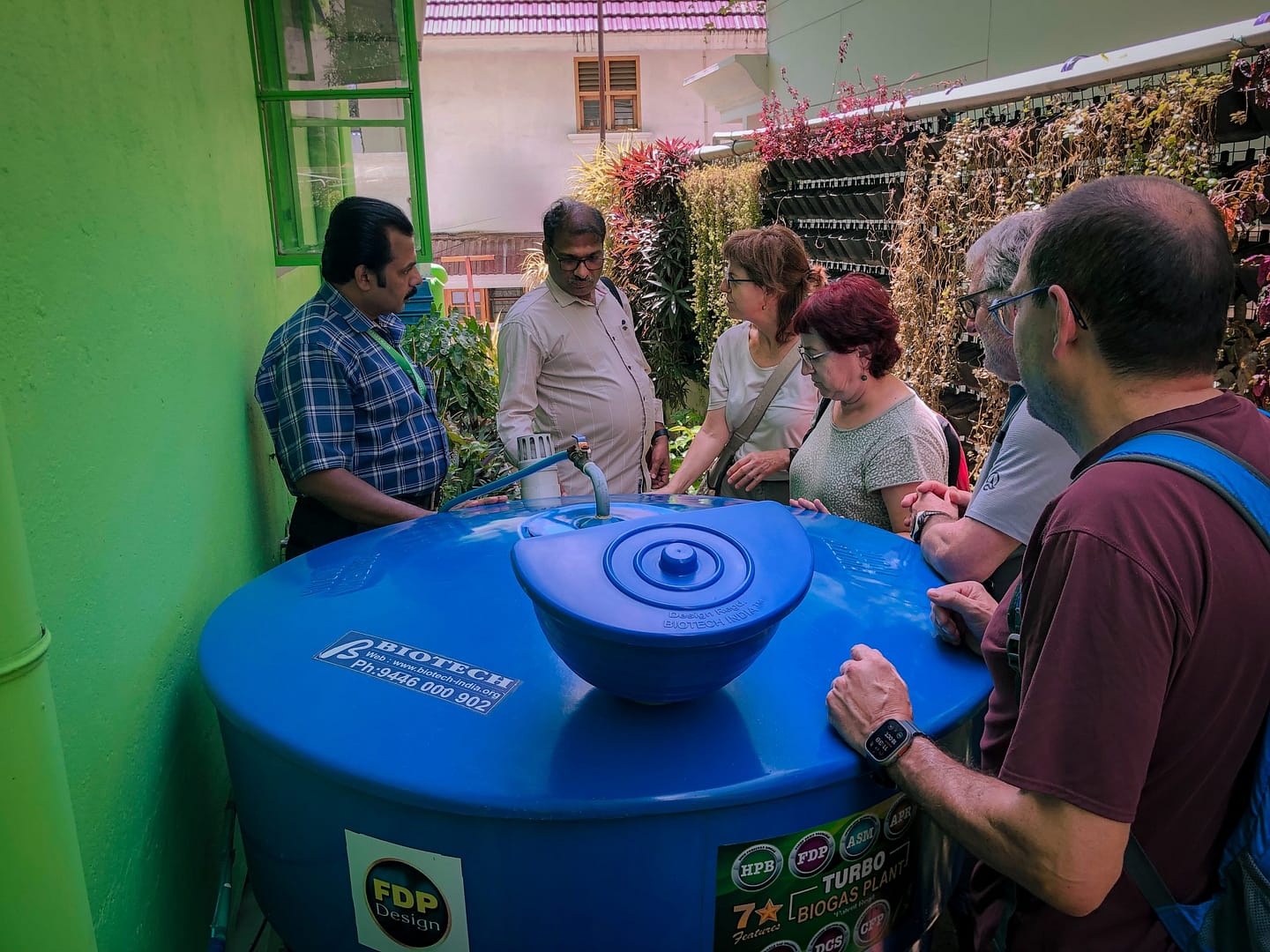
- Adopt family‑size biogas plants: Manage household waste hygienically while generating clean cooking fuel.
- Support institutional projects: Encourage schools, hospitals, and community centers to install biogas systems.
- Spread awareness: Share knowledge about biogas with friends, neighbors, and networks.
- Advocate for policy support: Governments must incentivize renewable energy and waste‑to‑energy initiatives.
Biogas and the Sustainable Development Goals
Biogas technology directly contributes to several SDGs:


- SDG 7 – Affordable and Clean Energy: Provides renewable energy at household and community levels.
- SDG 11 – Sustainable Cities and Communities: Improves waste management and urban sanitation.
- SDG 12 – Responsible Consumption and Production: Promotes circular economy practices.
- SDG 13 – Climate Action: Reduces greenhouse gas emissions by capturing methane.
- SDG 15 – Life on Land: Enhances soil health through organic fertilizer.
By embracing biogas, we align local action with global goals.
The Future of Biogas
Looking ahead, I envision a world where biogas is mainstream:
- Smart biogas systems integrated with digital monitoring for efficiency.
- Hybrid models combining biogas with solar or wind for resilient energy solutions.
- Community cooperatives managing shared biogas plants for collective benefit.
- International collaborations scaling biogas adoption across continents.
At BIOTECH INDIA, we are committed to advancing these innovations and partnerships.
Closing Thoughts
World Energy Day is more than a symbolic occasion—it is a call to action. The choices we make today will shape the world of tomorrow. By promoting and adopting biogas projects at both domestic and institutional levels, we take a decisive step toward reducing energy demand, protecting our environment, and building a sustainable future.
As an international biogas consultant, I remain deeply optimistic. I believe that when communities embrace biogas, they embrace empowerment, sustainability, and responsibility. Together, we can transform waste into wealth, challenges into opportunities, and energy demand into sustainable supply.
For a brighter, cleaner, and greener tomorrow—let us choose biogas today.